
Understanding the psychological triggers that influence gambling behavior
The Role of Emotion in Gambling
Emotion plays a critical role in gambling behavior, often driving individuals to engage in activities that they might otherwise avoid. Feelings of excitement and thrill can overshadow the rational decision-making process. Gamblers may experience a rush of adrenaline when placing bets, which can create an addictive cycle where they seek out that emotional high time and again. By exploring online casinos not on gamstop, players can find options that align with their emotional state and gaming preferences.

Moreover, negative emotions such as stress and anxiety can lead individuals to gamble as a form of escape. This emotional coping mechanism can result in impulsive decisions, where the gambler prioritizes immediate gratification over long-term consequences. Understanding the emotional triggers can help in developing better strategies for responsible gambling.
The Impact of Cognitive Biases
Cognitive biases significantly influence gambling behavior by distorting an individual’s perception of risk and reward. One common bias is the illusion of control, where gamblers believe they can influence outcomes in games of chance. This belief can encourage them to take unnecessary risks, leading to detrimental financial and emotional consequences.
Another prevalent cognitive bias is the gambler’s fallacy, where individuals mistakenly believe that past outcomes will influence future results. For instance, after a series of losses, a gambler might feel due for a win. Recognizing these biases is crucial for anyone looking to improve their gambling strategies and outcomes.
The Environment’s Influence
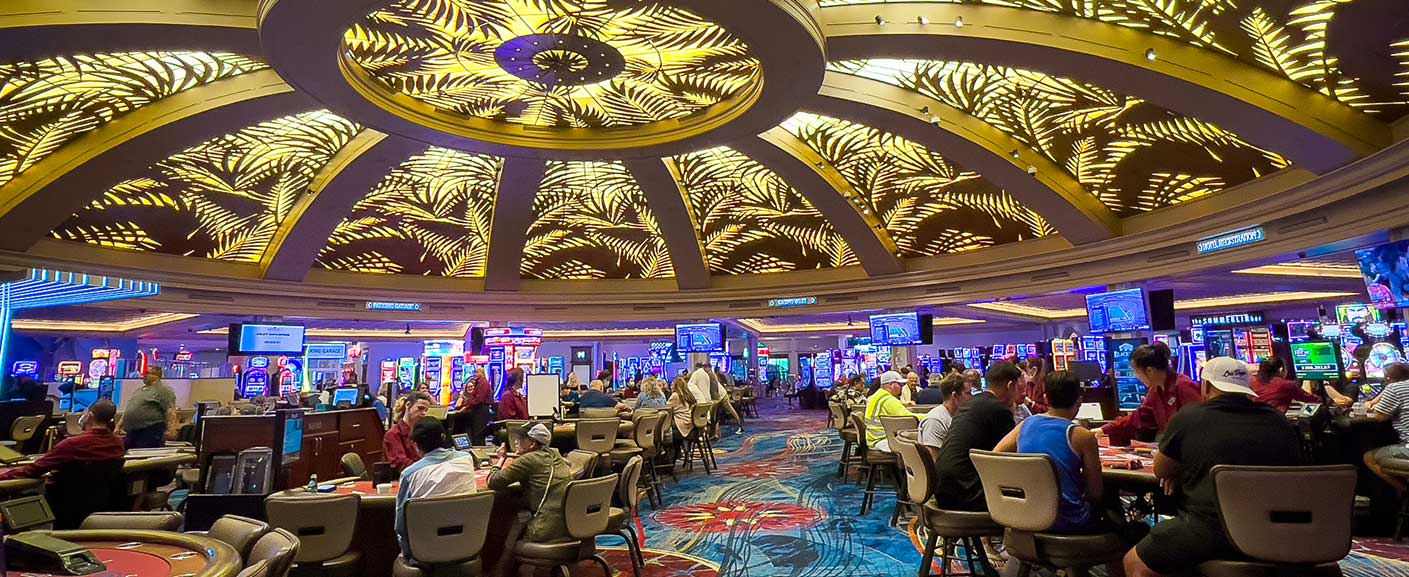
The environment in which gambling occurs can significantly shape behavior. Casinos are designed to create an atmosphere that encourages spending, often using specific lighting, sound, and decor to evoke a sense of excitement. This intentional design can trigger compulsive behavior, as the sensory overload can make it hard to maintain control.
Furthermore, social influences in a gambling environment can amplify risk-taking behavior. When surrounded by others who are betting and celebrating wins, individuals may feel pressured to join in, even if it’s against their better judgment. Understanding these environmental triggers is essential for recognizing when one might be influenced to gamble excessively.
The Role of Reward Systems
Gambling activates the brain’s reward system, which is responsible for feelings of pleasure and satisfaction. The anticipation of winning, coupled with the occasional reward, can create a powerful feedback loop that reinforces gambling behavior. This neurological response makes it challenging for individuals to step back and assess their gambling habits objectively.
In addition, promotional strategies used by casinos, such as bonuses and loyalty programs, tap into this reward system, making it even more enticing for players to engage in gambling. By understanding how these reward mechanisms operate, individuals can better manage their gambling habits and avoid falling into the trap of excessive play.
Conclusion and Resources
Understanding the psychological triggers that influence gambling behavior is essential for both gamblers and those looking to help them. By recognizing the emotional, cognitive, environmental, and reward-related factors at play, individuals can make more informed decisions regarding their gambling habits. Education on these triggers can lead to healthier gambling practices and enhanced self-control.
For more resources and insights into responsible gambling, including tips on bankroll management and strategies to combat compulsive behavior, visiting dedicated websites can provide valuable information. Taking the time to learn about these aspects can empower individuals to gamble responsibly and maintain a balanced approach to gaming.
