
Understanding the hidden psychology behind gambling behavior in casinos
The Allure of Gambling
The thrill of gambling is a potent mix of excitement, hope, and the prospect of winning. Casinos are designed to captivate their visitors with bright lights, enticing sounds, and an atmosphere that encourages risk-taking. This stimulating environment taps into the brain’s reward system, making individuals feel alive as they place their bets. The anticipation of a win triggers the release of dopamine, a neurotransmitter associated with pleasure, often leading to repeated visits and prolonged engagement. For those interested in exploring alternatives, there are various sites not on gamstop that can cater to diverse gambling preferences.
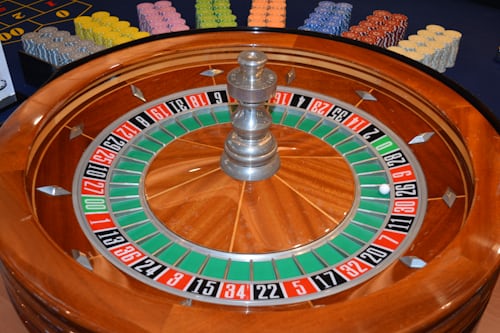
Moreover, the social aspect of gambling adds another layer to its appeal. Interacting with other players and sharing in the highs and lows of the game can create a sense of community, making the experience more enjoyable. This social dynamic often leads to a stronger emotional connection to the activity, reinforcing the desire to return to the casino for both the thrill of the game and the camaraderie it offers.
The Role of Cognitive Biases
Cognitive biases heavily influence gambling behavior. One of the most prevalent is the illusion of control, where gamblers believe they can influence the outcome of a game despite it being purely random. This cognitive distortion makes players more likely to engage in riskier bets, as they feel they possess some control over an uncontrollable event. Casinos exploit this bias by allowing players to participate in games where skill seems to matter, further enhancing the illusion.
Another significant bias is the gambler’s fallacy, the belief that past outcomes can affect future results. For instance, if a player has lost several times in a row, they may feel that a win is due. This misunderstanding can lead to increased betting as players chase their losses, often leading to greater financial implications. Recognizing these biases is crucial for understanding the intricate motivations behind gambling behavior.
The Impact of Environmental Factors
The environment within a casino is meticulously crafted to encourage prolonged gambling. Factors such as layout, lighting, and even scent are all strategically designed to create a welcoming and immersive experience. The layout often keeps players in a confined area, making it easy to continue playing without the distraction of external factors. This design fosters a sense of urgency, prompting individuals to keep playing “just a little longer.”
Additionally, the absence of clocks and windows creates a timeless atmosphere, making it difficult for players to track how long they have been gambling. This can lead to extended sessions, resulting in greater expenditure and a stronger attachment to the gaming experience. Understanding how these environmental cues affect behavior can provide insight into the gambling psyche.
The Emotional Journey of Gamblers
Gambling is not merely a financial endeavor; it is an emotional rollercoaster that can significantly impact an individual’s mental state. Players often experience a range of emotions, from the initial excitement of placing a bet to the despair of losing. The highs and lows can create a compelling narrative, where each win feels euphoric and each loss feels devastating, further entrenching the gambler’s commitment to the activity.
Moreover, the concept of “chasing losses” is a significant emotional driver. After a loss, many gamblers feel compelled to continue betting in hopes of recouping their money. This cycle can lead to a destructive pattern of behavior that is difficult to escape. Understanding this emotional landscape is essential for recognizing the psychological mechanisms that underpin gambling behavior in casinos.

Exploring Responsible Gambling and Resources
Understanding the psychology behind gambling behavior is essential for promoting responsible gambling practices. Individuals must be educated about the cognitive biases and emotional triggers that can lead to problematic gambling. Resources such as self-exclusion programs and support groups can offer valuable assistance to those who find themselves struggling.
Additionally, online platforms often provide tools to help individuals monitor their gambling habits and set limits. By leveraging technology and awareness, players can enjoy the thrill of gambling while maintaining control over their behavior. Ultimately, fostering a healthy relationship with gambling can contribute to a more positive experience within the casino environment.
