
Exploring the cultural impact of gambling through history
The Origins of Gambling in Ancient Civilizations
The roots of gambling can be traced back to ancient civilizations, where games of chance were used not only for entertainment but also as methods for divination and decision-making. In ancient China, evidence of rudimentary gambling activities can be found in artifacts dating back to the Han Dynasty, around 200 BC. These activities were often tied to social rituals and community bonding, underscoring the integral role of gambling in cultural practices. Players interested in similar experiences today can explore https://adventuregamers.com/online-casinos/australia for premier options.
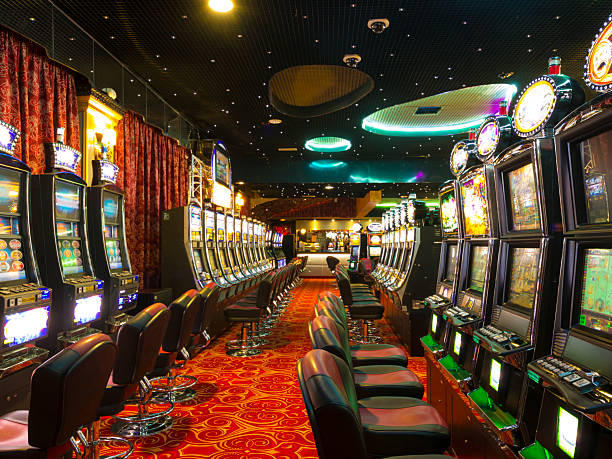
Similarly, the Romans introduced betting on gladiatorial games and chariot races, embedding gambling into their societal norms. This early interaction with gambling reflects a fascination with risk and reward that has transcended time, establishing a foundation for modern gambling culture.
Gambling in the Middle Ages and Renaissance
During the Middle Ages, gambling evolved significantly, particularly in Europe. With the rise of card games and dice games, gambling became a popular pastime among the nobility. These activities often carried a social stigma, reflecting the moral attitudes of the time. However, the invention of printed cards in the late 15th century in Europe marked a pivotal moment in gambling history, making games more accessible to the general population.
The Renaissance era further popularized gambling, leading to the establishment of the first official casinos in Italy during the 17th century. These venues created a space for social interaction and played a crucial role in cultural development, influencing attitudes toward risk and fortune that resonated through generations.
The Influence of Gambling on Modern Culture
In the modern era, gambling has become deeply embedded in popular culture, from literature to film. Iconic movies such as “Casino Royale” and “Rounders” depict the allure and danger of gambling, shaping societal perceptions. Additionally, literature from authors like Dostoevsky reflects the psychological complexities associated with gambling addiction, further embedding these themes into cultural discussions. Understanding the balance of casino dynamics is crucial in discussions around responsible practices.
Moreover, the rise of online gambling has transformed the landscape, allowing broader access and increasing participation among diverse demographics. This shift not only highlights changing attitudes toward gambling but also emphasizes its cultural significance in today’s digital age.
Gambling and Social Responsibility
As gambling has grown in popularity, so too has the conversation around responsible gaming. With increasing participation comes the need for awareness of the potential risks associated with gambling addiction. Societies are now more focused on promoting education and resources to help individuals understand their limits and engage in responsible gambling practices.
Various organizations have emerged to support those struggling with gambling-related issues, advocating for a balanced approach that recognizes the entertainment value while minimizing harm. This focus on responsible gambling is essential for fostering a healthy gaming culture that respects individual choices and societal welfare.

Exploring Resources for Gamblers
For those interested in the world of gambling, understanding its historical and cultural implications is crucial. Resources available today provide insights into responsible gaming, offering players guidance on making informed choices. Websites dedicated to gaming safety and education can enhance the gambling experience, ensuring that players are equipped with the knowledge to enjoy their activities responsibly.
As the gambling landscape continues to evolve, exploring both its rich history and modern practices will help players navigate this fascinating world safely. Engaging with trustworthy resources is essential for both new and seasoned gamblers looking to maximize enjoyment while minimizing risk.
